Studio
An edit can begin with the pieces you already have.
Studio grew from a Polinko demo: a full screen recording, loose voice notes, ordinary-language corrections and a deadline. The agent inspected the materials, proposed a picture edit, assembled the narration and carried the changes through to finished video, transcripts and captions.
The work developed around a shared audiovisual map: which part of the picture each thought belonged to, which source take supplied it, and what needed to remain intact when something changed.
Finding the edit in the recording
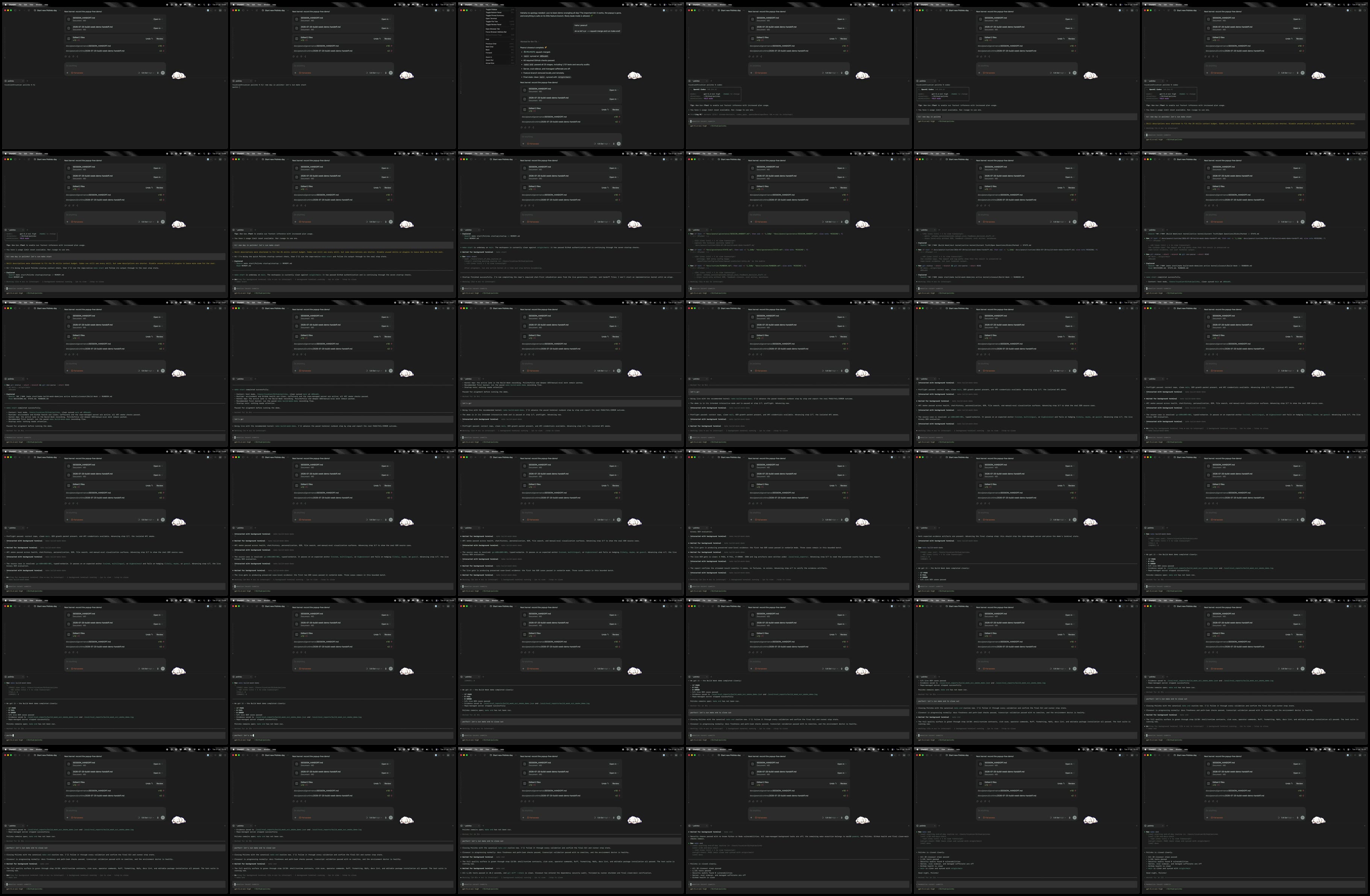
The source was a silent screen recording just under six minutes long. Contact sheets made the sequence visible. The first agent edit selected eleven spans, compressed navigation and waiting, and held consequential terminal states long enough to read.
I shortened that first cut. My preferred sequence then became the picture reference: ten source spans, each with its own speed and output interval. The reconstructed picture runs for about 1 minute 59.5 seconds.
The edit map
Six minutes of source. Ten selected spans.
Read the complete timing map
| Segment | Source | Speed | In the edit |
|---|---|---|---|
| 01 · Opening | 0:33–0:39 | 1× | 0:00–0:06 |
| 02 · Startup | 0:42–1:02 | 1.5× | 0:06–0:19 |
| 03 · Preparation | 1:07–1:30 | 2.5× | 0:19–0:28 |
| 04 · Demo start | 1:38–2:14 | 3× | 0:28–0:40 |
| 05 · Preflight | 2:14–2:26 | 1× | 0:40–0:52 |
| 06 · Transition | 2:26–2:57 | 3× | 0:52–1:02 |
| 07 · OCR cases | 3:09–3:46 | 3× | 1:02–1:15 |
| 08 · Results | 4:14–4:30 | 1× | 1:15–1:31 |
| 09 · Closeout | 4:30–4:48 | 2× | 1:31–1:40 |
| 10 · Completion | 5:17–5:46 | 1.5× | 1:40–1:59 |
Giving the words somewhere to land
The narration arrived as separate takes. The agent transcribed and timed them, selected seven source spans, and assembled them by meaning and performance. A firmer replacement sentence could be inserted without rerecording the rest.
The resulting map connects each piece of narration to the event it explains. Pauses allow the screen to resolve and preserve sentence boundaries. Cleanup used filtering, equalisation, gating and loudness normalisation, with the selected performance guiding the edit.
A correction changes the constraint
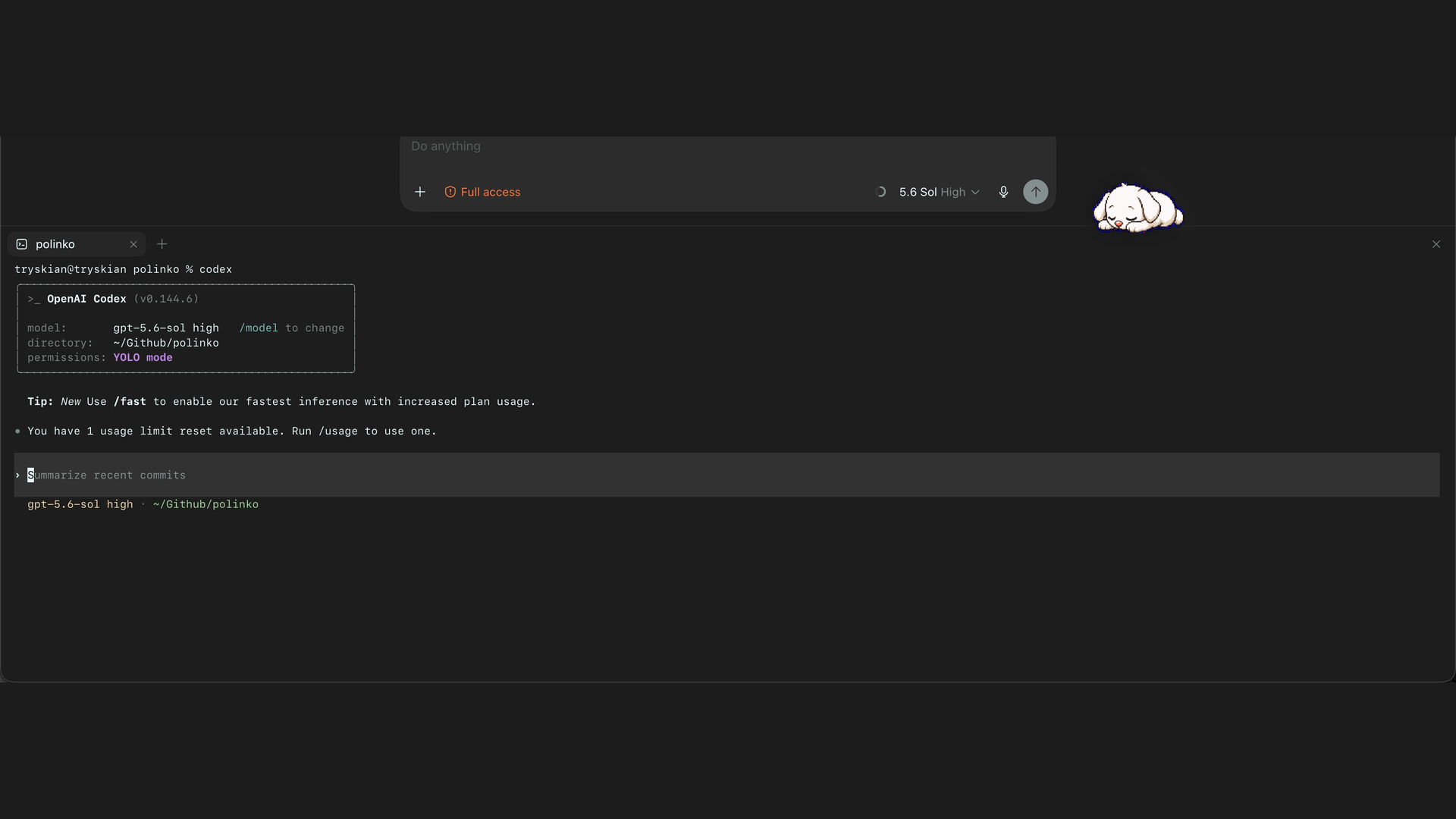
Early crops narrowed the terminal and lost Shasta at the edge of the frame. The later edit returned to the original recording, recovered the full width and preserved Shasta alongside the demonstration.
Diagram
A framing correction, carried through

Read the diagram
The raw contact sheet reveals a visual story. The user’s picture cut becomes the pacing reference. A tight crop is followed by a full-width version with only part of Shasta visible, then by the approved frame that preserves Shasta.
A very small sound repair
A later review found an unwanted low-frequency sound near the sign-off. Waveform and spectral views helped isolate it from the surrounding speech. The repair replaced the 110 milliseconds from 113.990 to 114.100 seconds, with short fades around the join.
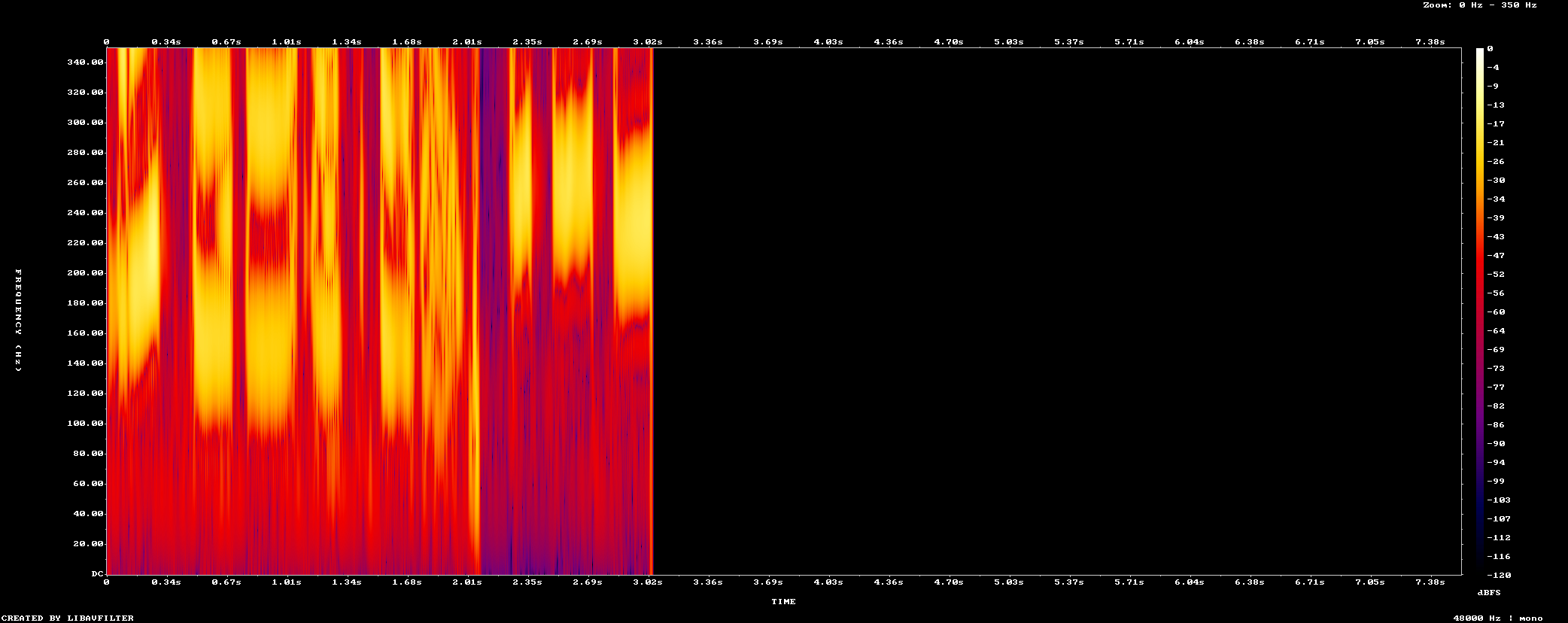
The spoken ending remained intact. The production record's sample comparison confined the difference to the repair and its fades, while the encoded picture payload stayed unchanged.
One map, separate performances
An AI-narrated alternative reused the approved visual timing. Seven generated sections were fitted to semantic slots, with pronunciation directions kept separate from the canonical spelling in the captions.
One dense section sounded processed when stretched. Its replacement kept the speech at natural speed and distributed 4.19 seconds of silence across existing sentence boundaries. That small editorial change preserved the timing without stretching the words.
Transcripts and timed captions were reconciled against the finished performances. The retained human, repaired-human and AI editions share the same encoded picture payload.
What carries forward
Each correction reopened a particular part of the edit: a sentence, a crop, a pause or a fraction of a second of audio. The accepted picture, wording and performance stayed available as explicit references for the next operation.
The continuing Studio work asks how to make that process reusable: accept fragments, show an editable understanding of their relationships, and preserve the parts already accepted while refining the rest.
Sources & further reading
- Studio’s original production processRetained production record · July 2026
- The performance mapMachine-readable production contract
- The founding editPrimary conversation · 21 July 2026